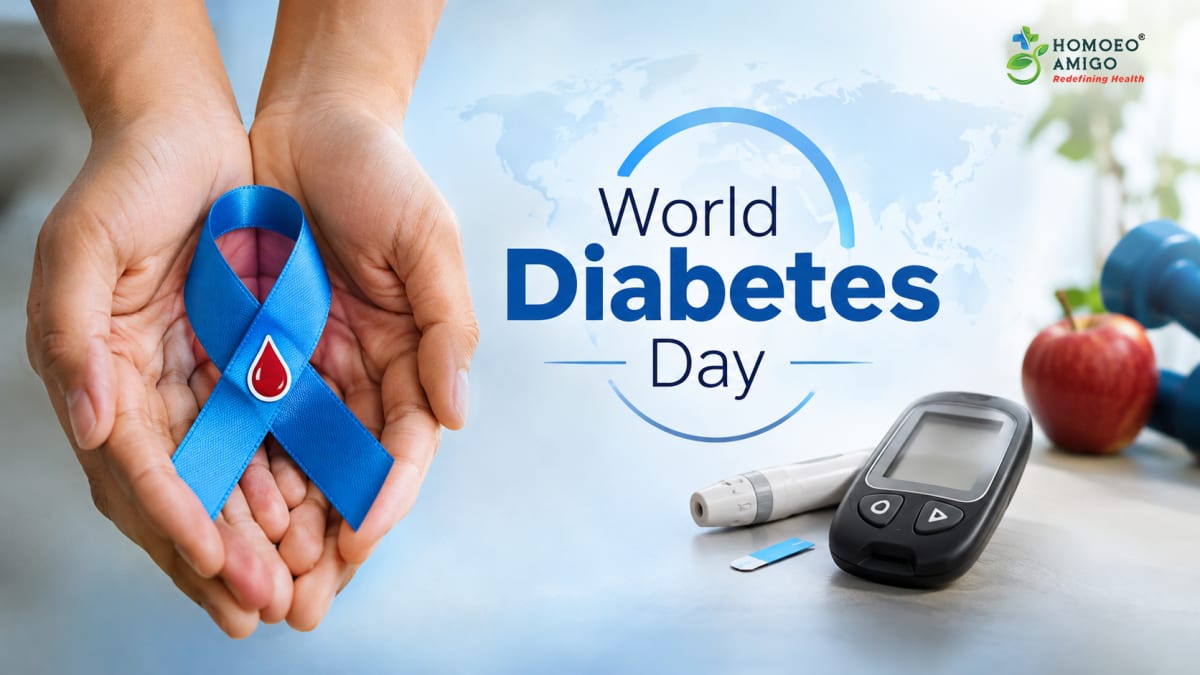
World Diabetes Day 2026: Awareness, Prevention & Care
Diabetes, a common name in almost every Indian household. According to the International Diabetes Federation and the ICMR-INDIAB, India had 89.8 million adults living with diabetes, which are expected to rise to 156.7 million by 2050, thus making it the second-largest country by total number of people living with diabetes. This is an alarming state for the country. Something that is even more concerning is that approximately 136 million Indians are in the prediabetic stage, carrying a high risk of progression, as stated in survey data collected between 2008 and 2020 by the ICMR-INDIAB.
On this World Diabetes Day, that is 14 November, let’s take an initiative together to take “Early Action on Diabetes”, which is also the theme of World Diabetes Day this year.
What is Diabetes?
It refers to a persistent metabolic condition that happens when your blood sugar rises to a very high level because your body does not make enough insulin, cannot use insulin properly or both. It is caused when problems arise with how your body makes or uses insulin. It helps blood sugar to go into your cells and provide energy. When this process is disrupted, sugar builds up in your bloodstream.
Types of Diabetes
Diabetes is usually divided into four types as follows:
Type 1 Diabetes – It refers to an autoimmune situation where the immune system destroys the insulin-producing cells in the pancreas. People suffering from this condition produce very little or no insulin and need a regular dosage of insulin to survive. Usually, type 1 diabetes is diagnosed in children and young adults; however, it can occur at any age. It cannot be prevented.
Type 2 Diabetes – This is the most common form of diabetes, which accounts for more than 95% of cases according to the WHO Diabetes Fact Sheet. In this case, the body becomes resistant to insulin, and the pancreas is not able to make enough of it. It is often connected to genes and lifestyle factors like overweight and physical inactivity. It can be managed with medication, a balanced diet and lifestyle changes as outlined by the World Health Organization (WHO).
Prediabetes – It is a warning stage in which blood sugar levels are higher than normal, but not high enough to be diagnosed as type 2 diabetes. Lifestyle changes can prevent or delay it from turning into full diabetes.
Gestational Diabetes – This is a temporary form of diabetes that forms during pregnancy. It occurs when pregnancy-related hormones make the body less responsive towards insulin. This type of diabetes usually resolves after the baby is born. However, it increases the risk of type 2 diabetes in both mother and child.
Monogenic Diabetes – It refers to a group of uncommon forms of diabetes that are caused by a mutation or variant in a single gene. It includes:
Maturity-Onset Diabetes of the Young (MODY) – This is the most common form of monogenic diabetes. It usually develops in children, adolescents and young adults under 25.
Syndromic and Rare Forms – Rare genetic syndromes where diabetes happens with some other extra pancreatic features like neurological symptoms, kidney cysts or hearing loss.
Neonatal Diabetes Mellitus (NDM) – A type of diabetes that shows up within the first 6 months of life. It is caused by single-gene errors in insulin secretion.
What Causes Diabetes?
Diabetes is affected by many factors. Causes of diabetes depend upon its types and can vary in nature.
Type 1 Diabetes
Genetics and Environment – Genes and environmental factors like the mumps virus, enteroviruses, rotavirus, rubella virus, cytomegalovirus and COVID-19 can trigger diabetes.
Autoimmune Reaction – The body’s immune system attacks and destroys the insulin-producing beta cells in the pancreas.
Type 2 Diabetes
Reduced Insulin Production – Over time, the pancreas is unable to keep up with the demand, resulting in falling insulin levels and rising blood sugar levels.
Insulin Resistance – As a biological fact, the body’s liver cells, muscle and fat do not respond well to insulin. Owing to this fact, the body needs more insulin to help glucose enter cells.
Gestational Diabetes
Pancreatic Demand – In case the pancreas is unable to produce extra insulin to meet the increased demands of the body during pregnancy, blood sugar levels rise.
Hormonal Changes – Pregnancy hormones can cause the body to become more resistant to insulin.
Risk Factors – If a family member has experienced gestational diabetes in pregnancy, it can lead to gestational diabetes in other pregnant women as well.
What are the Symptoms of Diabetes?
Usually, signs of diabetes are only visible when blood sugar levels reach a very high level. A lot of people with type 2 diabetes or prediabetes experience no or mild symptoms in the early stages. On the contrary, symptoms of type 1 diabetes appear early and become severe more quickly.
Constant Exhaustion – Constantly feeling exhausted as cells are unable to absorb glucose for energy.
Unexplained Weight Loss – It is commonly visible in type 1 diabetes as the body burns muscle and fat for energy instead of glucose.
Healing of cuts slows down – This happens because high blood sugar level weakens immune and circulation system.
Blurred Vision – Constantly changing blood sugar levels pull fluid from the eye lenses or damage blood vessels in the retina.
Repeated Infections – A higher risk for infections like thrush, yeast, skin and urinary tract infections.
Numbness or Tingling – Loss of feeling in the hands & feet, feeling needles, pins or burning in the body.
Repeated Urination – Also known as polyuria, it means the need to urinate often, especially at night, as the kidneys act to filter and flush out excess sugar.
Increased Thirst and Dry Mouth – Also known as polydipsia, it refers to increased thirst due to liquid lost from repeated urination.
Increased Hunger – Feeling the urge to eat even after eating properly because cells are starved of usable energy.
Darkened Skin Patches – Dark, velvety patches of skin around the armpits, neck or groin usually signal insulin resistance.
If these diabetes symptoms remain or increase, immediately consult a doctor and take preventive measures.
What is the Effect of Diabetes on a Person’s Life?
Diabetes has a significant effect on the life of a person, as it comes with routine changes and timely check-ups.
Day-to-Day Routine
A person with diabetes has to plan almost every part of their everyday life, meaning their daily routine changes completely.
Diet and Nutrition – Planning meals carefully, watching portion size and counting carbohydrates.
Physical Activity – Regular exercise to control blood sugar, while also carrying fast-acting snacks or emergency supplies in case blood sugar drops very low (hypoglycemia).
Repeated Interruptions - Constantly dealing with symptoms like repeated urination and increased thirst while doing normal day-to-day activities.
Monitoring Blood Sugar – Checking blood sugar levels regularly using a meter or a continuous glucose monitor (CGM).
Managing Medications – Taking daily doses of insulin injections or pills through pumps or pens at the exact time.
Physical and Medical Complications
Over time, chronic high blood sugar levels can damage nerves and small and large blood vessels in the body.
Nerve Damage – It causes numbness, tingling, burning, and even extreme pain, usually starting in the hands and feet. It can also result in impair digestion or cause erectile dysfunction.
Kidney Damage – High sugar levels damage and strain the small filtering clusters in the kidney, which can result in chronic kidney disease or kidney failure.
Cardiovascular Disease – People with diabetes are at a high risk of suffering a stroke or a heart attack, almost 2- 3 times more likely.
Foot Problems and Amputation – A combination of poor circulation and nerve damage means that cuts go unnoticed. This leads to fatal infections, slow-healing ulcers and can also lead to limb amputation.
Loss of Vision – It damages the blood vessels of the retina, resulting in cataracts, blurry vision or blindness.
Mental Health and Emotional State
It is a heavy responsibility to manage a lifelong disease like diabetes. It changes the mental and emotional state of a person.
Anxiety and Depression – According to health data from the Centers for Disease Control and Prevention (CDC) and clinical research, diabetic people experience anxiety and depression that are 2-3 times higher than the general population.
Fear of Complications – Tension about sudden health crashes, long-term disability, or low blood sugar.
Sleep Disturbance – Constantly going to the washroom at night, severe leg pain, or sleep apnoea can disturb sleep.
Diabetes Burnout – Feeling exhausted, overwhelmed or frustrated by the constant demands of tracking medicines, numbers and foods.
Which Tests Are Used to Diagnose Diabetes?
There are a few tests that are used for diagnosing diabetes; it is important to keep in mind that these tests are for non-pregnant individuals only.
Test | Measures | Diabetes Diagnostic Threshold |
HbA1c | Average blood sugar level over the past 2-3 months | 6.5% or higher |
Random Plasma Glucose | Blood sugar is measured without fasting | 200 mg/dL or higher with symptoms |
Fasting Plasma Glucose | Blood sugar is checked after at least 8 hours of fasting | 126 mg/dL or higher |
Oral Glucose Tolerance Test | Blood sugar is checked after a 75 grams glucose drink | 200 mg/dL or higher |
Management of Diabetes After Diagnosis
Once diabetes is diagnosed and its type is known, doctors provide a tailored and structured plan to manage the condition. The plan focuses on monitoring blood sugar, nutrition therapy, regular physical activity and medical treatment.
Monitoring Blood Sugar:
Tracking Methods – Monitor your blood sugar level using a home glucose meter or a continuous glucose monitor (CGM).
Usual Targets – In general, targets are decided by your doctor, but usually pre-meal blood sugar levels range from 80-130mg/dL and post-meal blood sugar levels should be under 180 mg/dL.
The “ABCs” – Track your A1C, usually aimed at <7%, blood pressure, usually aimed at <130/80 mm Hg. Also check your cholesterol levels, and avoid tobacco.
Nutrition Therapy:
Carbohydrate Management – Prioritise meals that are lower in saturated fats and added sugars. Also, practice carbohydrate counting.
Professional Guidance – Select a registered dietitian or a certified diabetes care and education specialist for proper nutrition guidance.
Regular Physical Activity:
Exercise Regularly – Do at least 150 minutes of moderate aerobic exercise like cycling, along with strength training every week.
Blood Sugar Safety – Regular movement improves blood sugar levels, but if you take insulin or other medicines, check your blood sugar level before and after exercise, as it can lead to low blood sugar.
Medical Treatment:
Type 1 Diabetes – In this condition, the pancreas does not produce insulin; synthetic insulin is provided via syringe, pens or an insulin pump.
Type 2 Diabetes – Usually, treatment starts with oral medicines to help the body to use insulin in a better way. Other non-insulin injections or insulin may be added later depending on the progress made by the patient.
Comments (0)
Loading comments...