Respiratory Infections: Understanding Common Cold, Bronchitis and Pneumonia
A common sight in households is a persistent cough in children and elderly parents as they wake up. Many times, these problems go unnoticed, as people believe them to be common illnesses, but ignorance can lead to serious respiratory infections. These infections include the common cold, bronchitis and pneumonia.
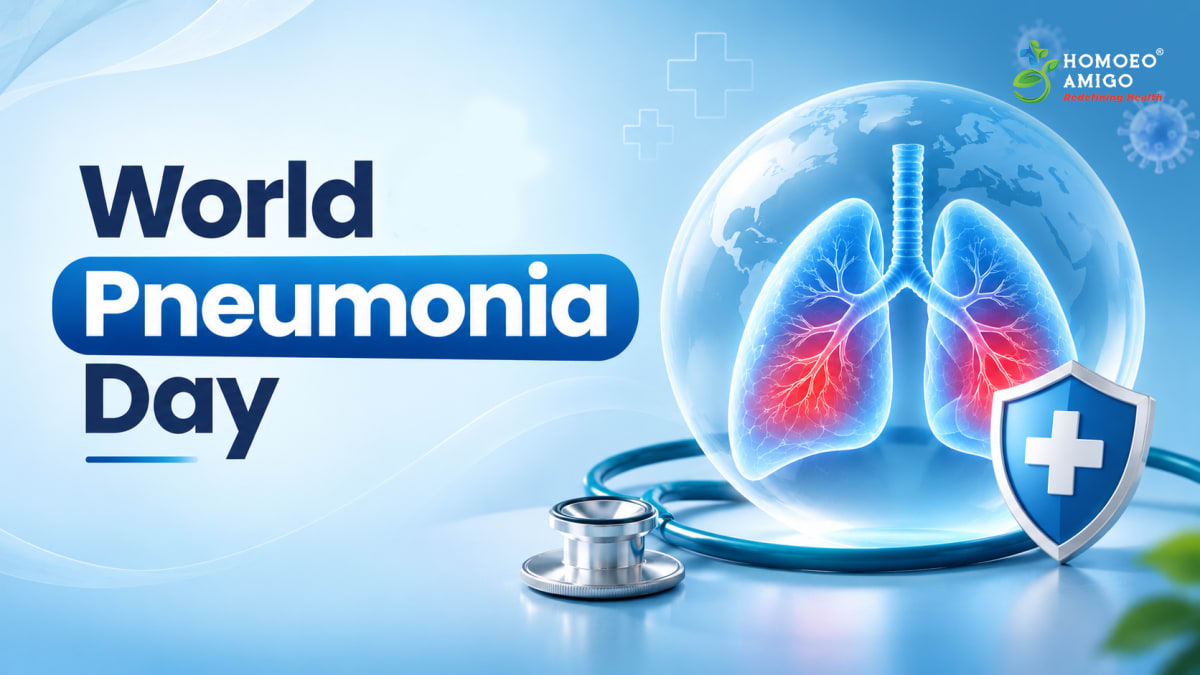
With winter approaching, coughs and colds are expected to rise. On World Pneumonia Day (12 November), it is important to differentiate between an ordinary seasonal cough and an infection that requires medical aid and guidance.
This blog will help you understand the common cold, bronchitis and pneumonia so that timely action can be taken when needed.
Winter and Respiratory Health
Deteriorating air quality in Delhi NCR during winter increases the risk of winter cough and cold. Fine particulate matter and smog can worsen bronchial asthma and bronchitis, which further deteriorates existing respiratory problems. According to the EPA Particle Pollution Guide by the U.S. Environmental Protection Agency (EPA), PM2.5 exposure can worsen asthma, reduce lung function, increase respiratory symptoms like coughing and can even lead to premature death in people with lung diseases.
Coughing and the common cold are rising concerns for children and older people while playing and going for walks, respectively. However, it is important to know that not all coughs in winter are because of pollution. Viral infections, bronchitis and pneumonia can also be the reason.
AQI plays an important role in deciding how long and how vigorously one can do outdoor activities in winter.
Is it a Cold or Bronchitis or Pneumonia?
All these conditions can present symptoms like coughing and therefore can be confused with each other.
1. Common Cold
Usually caused by viruses, a common cold affects the upper respiratory tract. Sneezing, a runny or blocked nose, sore throat, mild fever and occasional coughing are common symptoms. Most people recover within 7–10 days.
2. Bronchitis
Bronchitis is the inflammation of the bronchial tubes that carry air to the lungs. Bronchitis symptoms are persistent coughing, mucus production, chest discomfort and wheezing. Acute bronchitis often follows a respiratory infection.
3. Pneumonia
Pneumonia is an infection of the lungs in which the air sacs (alveoli) may fill with fluid or pus. Pneumonia symptoms include fever, chills, persistent cough, chest pain, fatigue and difficulty breathing. It can affect people of all ages and may become serious without timely treatment.
A cough that persists, worsens or is accompanied by breathing difficulty should not be ignored.
Warning Signs Parents and Families Should Watch For
Children may not always be able to explain how unwell they feel. Watch for fast or difficult breathing, chest indrawing, poor feeding, unusual sleepiness, persistent fever or a child who seems significantly less active than usual.
In adults, breathlessness, chest pain, confusion, coughing up blood or worsening symptoms need prompt medical assessment. Severe breathing difficulty, bluish lips or reduced consciousness require emergency care.
A doctor may recommend an examination, oxygen-level check, chest X-ray or other investigations depending on the symptoms. Early assessment is particularly important for young children, older adults and people with existing health conditions.
How Does Homoeopathy Approach Cough and Cold?
Symptoms of cough are not the same in everyone. One person may have a dry, painful cough, while another experiences repeated bouts of coughing or a loose, rattling cough. It can become difficult for individuals to differentiate the symptoms on their own.
This is the exact situation when homoeopathy comes into the picture. It traditionally follows an individualised approach, considering the nature of the cough, its timing, triggers and accompanying symptoms before selecting a medicine.
Some commonly recognised homoeopathic medicines for cough associated with different cough patterns include:
Bryonia Alba: It is suggested in dry, painful cough, often worse with movement or deep inspiration.
Drosera Rotundifolia: Is used in cases of symptoms like spasmodic bouts of coughing, often worse after midnight.
Spongia Tosta: Is used if a person experiences a dry, harsh or barking cough, often worse at night.
Antimonium Tartaricum: Is used in a loose, rattling cough with difficulty bringing up mucus.
Ipecacuanha: It is given if cough is accompanied by persistent nausea, gagging or vomiting.
Pulsatilla – It is used in case of a loose cough that produces bland, thick, yellowish-green mucus during the day. It usually gets tickly or dry when lying down at night.
Hepar Sulphuris Calcareum – It is used for rattling and loose coughs that are sensitive to uncovering or cold air. The cough may sound choking or moist.
Bhargava Phytolab’s Wintin Minims cough and Bhargava Co-Ex Syrup are homoeopathic cough syrup formulations primarily used to manage respiratory and chest-related symptoms.
It is advisable to use any kind of homoeopathic medication only on the advice of a homoeopathy doctor.
Best Homoeopathy Doctors for Respiratory Problems
For families dealing with recurring seasonal coughs, colds and respiratory complaints, understanding the pattern of symptoms and seeking timely advice can make a meaningful difference to their healthcare journey.
At Homoeo Amigo, experienced homoeopathic doctors take a detailed view of each patient's symptoms, health history and individual needs. With 95,000+ patients treated, 25+ years of combined experience and an average rating of 4.8+ across its clinics, Homoeo Amigo aims to make experienced homoeopathic care accessible closer to home.
With clinics across Delhi, Noida, Ghaziabad and Kolkata—including Mayur Vihar, Malviya Nagar, Kalkaji, Kamla Nagar, Gaur City, Sector 119 Noida, Sector 18 Noida, Vaishali, Picnic Garden, Chandan Nagar and Behala—families can explore consultation options within their local region.
This World Pneumonia Day, remember: a cough may be common, but never dismiss it when symptoms persist or worsen. Pay attention, seek the right medical advice and make respiratory health a priority for every generation.
Comments (0)
Loading comments...