Causes of PCOS: Triggers and Prevention Tips
Polycystic ovary syndrome (PCOS) is one of the most common hormonal disorders affecting women of reproductive age. It can impact the menstrual cycle, fertility, metabolism, skin health, and emotional well-being. Yet, many women don’t realize they have PCOS until they experience symptoms like irregular periods, acne, weight gain, or difficulty conceiving. One of the biggest questions women ask after being diagnosed is, what causes PCOS?
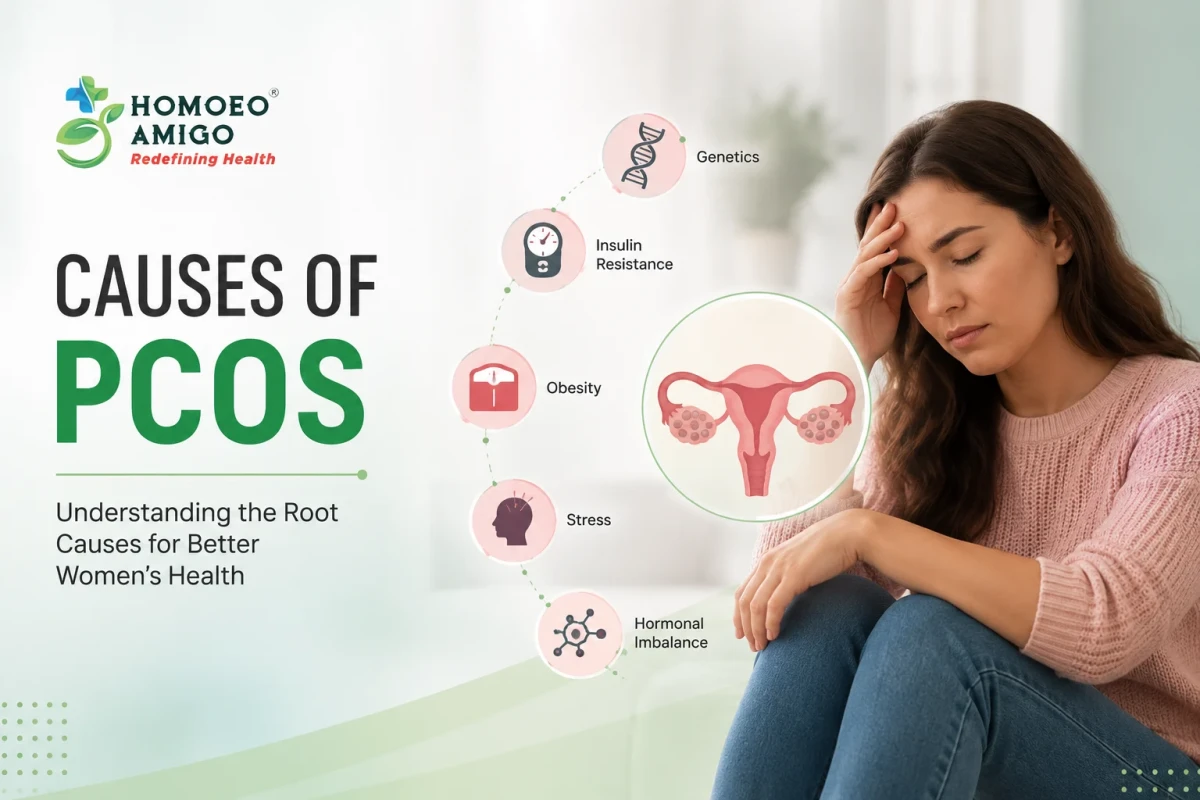
The truth is that there isn’t a single answer. Instead, PCOS develops due to a combination of genetic, hormonal, metabolic, and lifestyle factors. Understanding the causes of PCOS can help you recognize risk factors early and take steps toward better health. Let’s explore the possible reasons behind PCOS in simple and easy-to-understand language.
What is PCOS?
PCOS is a hormonal condition in which the ovaries may not function normally. Women with PCOS often have an imbalance in reproductive hormones, which can interfere with ovulation and lead to a variety of symptoms. Common characteristics include:
Irregular or missed periods
Excess androgen (male hormone) levels
Multiple small follicles visible on the ovaries during ultrasound
Difficulty ovulating
Fertility challenges
Not every woman with PCOS experiences the same symptoms, which is why early diagnosis is important.
What Are The Main Causes of PCOS?
Although researchers continue to study the condition, several factors are believed to contribute to the development of PCOS.
Possible Cause | How it May Contribute to PCOS |
Hormonal imbalance | Disrupts ovulation and menstrual cycles. |
Insulin resistance | Increases insulin levels, which may stimulate excess androgen production. |
Genetics | Family history may increase the likelihood of developing POCS. |
Chronic inflammation | May influence hormone production and insulin sensitivity. |
Lifestyle factors | Poor diet, inactivity, and weight gain can worsen symptoms. |
Excess androgen production | Leads to acne, unwanted hair growth, and irregular ovulation. |
Hormonal Imbalance:
Hormones work together to regulate the menstrual cycle, ovulation, and overall reproductive health. In women with PCOS, the balance between reproductive hormones becomes disrupted, ovulation may not occur regularly, menstrual cycles become irregular, and small ovarian follicles may develop instead of releasing mature eggs. Hormonal imbalance is considered one of the primary causes of PCOS.
Insulin Resistance:
Insulin is a hormone that helps move sugar from the bloodstream into the body’s cells for energy. Many women with PCOS develop insulin resistance, meaning their cells don’t respond efficiently to insulin. As a result, the body produces more insulin, higher insulin levels may encourage the ovaries to produce more androgens, and increased androgen levels can interfere with ovulation. Common signs associated with insulin resistance include:
Weight gain, especially around the abdomen.
Sugar cravings.
Fatigue after meals.
Difficulty losing weight.
Managing insulin resistance is often an important part of insulin care.
Genetics and Family History
Research suggests that genetics play a significant role in the development of PCOS. You may have a higher risk if:
Your mother has PCOS.
Your sister has PCOS.
Close female relatives have irregular periods or fertility problems.
There is a family history of type 2 diabetes or metabolic syndrome.
While genetics cannot be changed, understanding your family history can help you seek medical advice earlier.
Increased Androgen Levels
Women naturally produce small amounts of androgens. However, women with PCOS often have higher-than-normal levels. This may contribute to:
Excess facial hair
Difficulty ovulating
Higher androgen levels are one of the hallmark features of PCOS.
Chronic Low-Grade Inflammation
Some studies suggest that women with PCOS may experience chronic low-grade inflammation. Inflammation may affect hormone production, worsen insulin resistance, and influence ovarian function. Although more research is needed, maintaining a healthy lifestyle may help reduce inflammation.
Lifestyle Factors
Lifestyle does not directly cause PCOS, but it can significantly influence how symptoms develop or progress. Factors that may worsen symptoms include:
Lack of physical activity
High intake of processed foods
Poor sleep habits
Chronic stress
Smoking
Healthy lifestyle habits can help improve overall well-being and support medical treatment.
Common Risk Factors for PCOS
Certain risk factors may increase your likelihood of developing PCOS.
Risk Factors | Possible Impact |
Family history | Higher genetic risk |
Overweight or obesity | May worsen insulin resistance |
Sedentary lifestyle | Can contribute to both weight gain and metabolic issues. |
Poor dietary habits | May affect blood sugar regulation |
History of gestational diabetes | May increase metabolic risk |
Chronic stress | Can influence hormonal imbalance |
Can PCOS be Prevented?
There is currently no guaranteed way to prevent PCOS, especially if genetics play a role. However, healthy lifestyle habits may help reduce symptom severity and support overall health. Consider these habits:
Eat a balanced diet with plenty of fruits, vegetables, whole grains, and lean protein.
Stay physically active.
Maintain a healthy weight.
Sleep 7-9 hours.
Manage stress through relaxation techniques and hobbies.
Attend regular health check-ups.
Homoeo Amigo for Better Hormonal Health
If you are experiencing irregular periods, acne, unwanted hair growth, weight changes, or other symptoms that may be linked with PCOS, don’t ignore them. At Homoeo Amigo, we believe in a personalized approach to women’s health. Our experienced homeopathic doctors take the time to understand your symptoms, lifestyle, and overall well-being before recommending an individualized treatment plan.
Book your consultation today and begin your journey toward better hormonal balance and improved overall health with compassionate patient-centered care.
The causes of PCOS are complex and often involve a combination of hormonal imbalance, insulin resistance, genetics, inflammation, and lifestyle factors. While there is not a single reason why PCOS develops, understanding these contributing factors can help women recognize symptoms early and seek appropriate medical guidance.
Remember, every woman’s experience with PCOS is unique. A proper diagnosis, an individualized treatment plan, and healthy lifestyle choices can go a long way toward managing symptoms and improving quality of life.
Comments (0)
Loading comments...