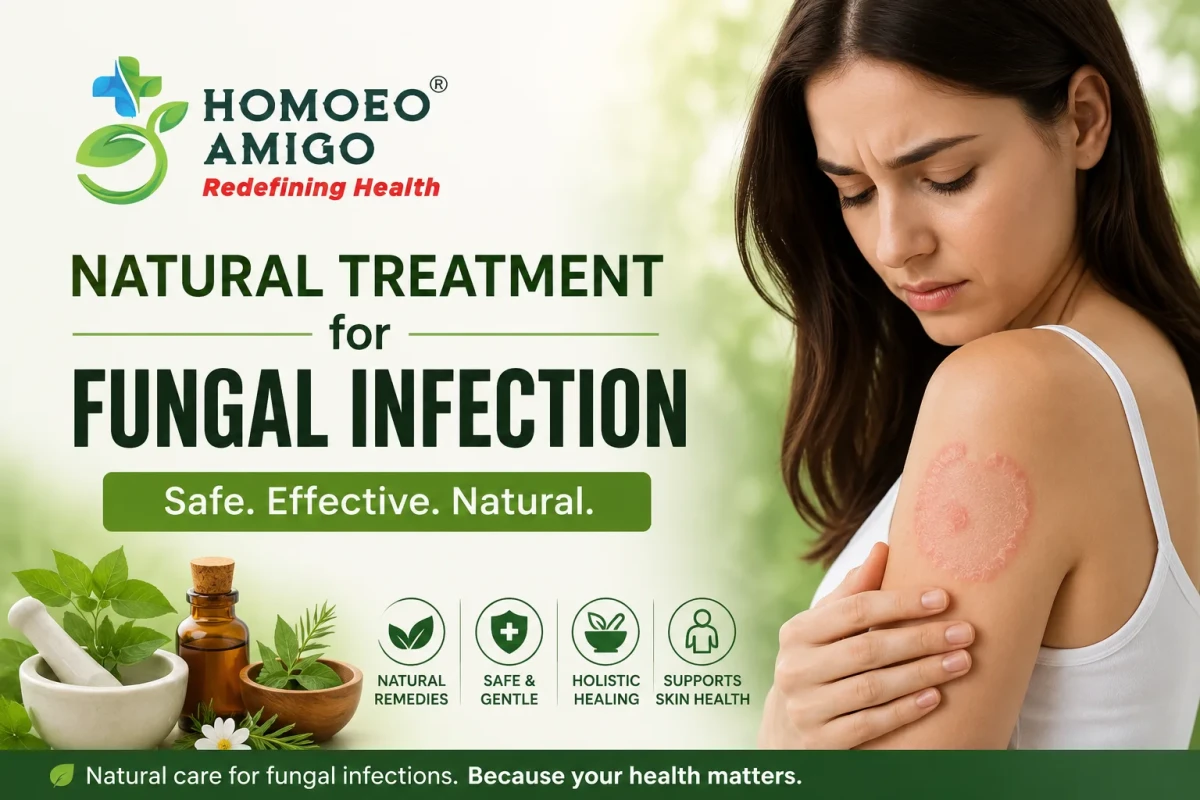
Natural Treatment for Fungal Infection: What You Need to Know
It usually starts small with a little itching, maybe a faint red patch that you ignore, thinking it’s nothing, but a few days later it spreads. The itching gets worse, and the skin looks irritated, and suddenly it is not so minor anymore. So what do most people do? They buy a cream and apply it for a few days, and the symptoms disappear. Problem solved? Not really, because a few weeks later it is back, and sometimes worse than before. That’s the cycle most people get stuck in.
The truth is, fungal infections don’t just need suppression, but they need the right environment to stop growing. Natural Treatment for Fungal Infection is a smarter approach; instead of hiding symptoms, it focuses on reducing moisture where fungus thrives, using natural anti fungal ingredients and supporting long-term skin health. In humid conditions, where sweat and heat are constant, fungus thrives, and the natural treatment is not as effortless as it sounds. It requires consistency, care, and hygiene. In this article, let’s see how Natural Treatment for Fungal Infection can be done naturally and how to stop the cycle for good.
What Actually Is a Fungal Infection?
Most fungal skin infections occur when fungi such as dermatophytes or yeasts grow excessively on the skin, particularly in warm and moist areas of the body. These microorganisms thrive in warm environments, moist skin, and poor hygiene conditions. Mild infections include itchy rashes or discolored nails, whereas systemic types can severely affect the lungs and bloodstream. They are treated with specific antifungal medications. Common types of fungal infections include:
Ringworm
Athlete’s foot
Jock itch
Nail fungus
Symptoms That Should Not Be Ignored
Ignoring early signs delays fungus infection treatment and makes the condition worse. If the infection spreads rapidly, keeps recurring, or does not improve despite self-care measures, it is important to seek medical advice. Early diagnosis and timely treatment can prevent complications and reduce the risk of the infection spreading to other areas of the body.
Intense itching.
Burning sensations.
Peeling or cracked skin.
Circular rash patterns.
Why Do Fungal Infections Keep Coming Back?
Fungal infections can be frustrating, especially when they keep returning despite treatment. In many cases, recurrence happens because the underlying causes are not addressed or the infection is not eliminated. Understanding the factors behind repeated infections is important to effectively prevent and manage them in the long term. Fungal infections can recur due to several underlying factors, including:
Incomplete treatment.
Excess sweating.
Tight clothing.
Poor hygiene.
Homeopathic Approach to Fungal Infections
When it comes to Natural Treatment for Fungal Infection, homeopathy takes a different route compared to other conventional remedies. Instead of targeting the skin, it focuses on internal balance, immunity, and tendency to recur. This is why most people often consider homeopathy for chronic or recurring fungal infections. Homeopathy takes an individualized approach that considers the person's symptoms, overall health, and tendency toward recurrent infections. It considers skin type, sweat patterns, lifestyle, and overall health. Practitioners of homeopathy aim to support overall well-being and address factors that may contribute to recurrent infections.
Common Homeopathic Remedies to Treat Fungal Infection:
Different remedies may be recommended based on the nature of the itching, location of the infection, and associated symptoms. Some commonly used homeopathic remedies for fungal infections include the following:
Sulphur: It is used for burning, itching, dry and scaly patches, and heat-aggravated symptoms. It is often used in chronic skin issues.
Graphites: Used for thick, cracked skin, sticky discharge from affected areas, and moist fungal infections. It is useful when infection occurs in folds.
Sepia: Used for hormonal imbalance-related skin issues and discoloration with fungal patches. It is commonly considered for women with recurring infections.
Arsenicum Album: It is used for intense burning sensation and restlessness. Helpful in more uncomfortable fungal conditions.
Thuja Occidentalis: Used for persistent, stubborn infections and thickened skin or nail involvement. It is often considered in resistant cases of fungal infections.
Note: Remedies should always be taken under professional guidance. Self-medication is not advised.
Hygiene Tips: The Make or Break Factor
Proper hygiene plays a crucial role in both the treatment and prevention of fungal infections. Simple daily habits can significantly reduce the risk of infection, prevent recurrence, and support faster recovery.
Change clothes after sweating.
Avoid tight clothing.
Use separate towels.
Wash clothes properly.
Best Remedies for Natural Treatment for Fungal Infection
Many people seek natural approaches to manage fungal infections alongside maintaining proper hygiene and lifestyle changes. While the choice of treatment depends on the severity and type of infection, certain remedies may help support skin health and provide symptomatic relief. Here are some commonly discussed natural remedies that are often considered for fungal infection management:
Tea tree oil: It has powerful antifungal properties and helps reduce itching and inflammation.
How to use: Dilute it with coconut oil and apply twice daily.
Coconut oil: It contains antifungal fatty acids and keeps the skin moisturized without worsening the infection.
How to use: Apply directly 2-3 times daily.
Apple cider vinegar: It creates an acidic environment that inhibits fungal growth.
How to use: Mix with water in the ratio 1:1 and apply it with cotton.
Garlic: It contains allicin, which is a natural antifungal compound.
How to use: Crush it and mix it with coconut oil and apply for 5-10 minutes, then rinse.
Neem: It is one of the most powerful natural antifungal agents.
How to use: Use it as neem water wash or apply the paste like a face pack.
Aloe vera: It soothes irritation and provides mild antifungal action.
Note: Natural remedies should not replace medical treatment for moderate to severe fungal infections. Some substances may irritate sensitive skin, so a patch test and professional guidance are recommended.
Natural remedies also sometimes are not enough. If the infection is spreading rapidly, there is severe itching or pain, the nail fungus is stubborn, or you see no improvement after 2 weeks, it is time to stop experimenting and seek medical advice. Several common mistakes that people usually make that delay their treatment are: they stop treatment early, use steroid creams randomly, ignore hygiene, share personal items, and self-diagnose incorrectly, and as a result, the infection does not cure or keeps coming back.
Fungal infections are not difficult to treat, but they are easily mishandled. Most of the time, the fungal skin infection is recurring because people are inconsistent and do not treat the root cause. Natural Treatment for Fungal Infection offers a practical and effective way to manage these infections without relying entirely on chemical-based solutions. But it only works when it is combined with the right remedies, strict hygiene, and smart lifestyle choices.
Book your consultation with Homoeo Amigo today and take the first step towards long-term relief with Natural Treatment for Fungal Infection because the skin does not heal with shortcuts. Give it the right treatment that it actually needs.
Comments (0)
Loading comments...