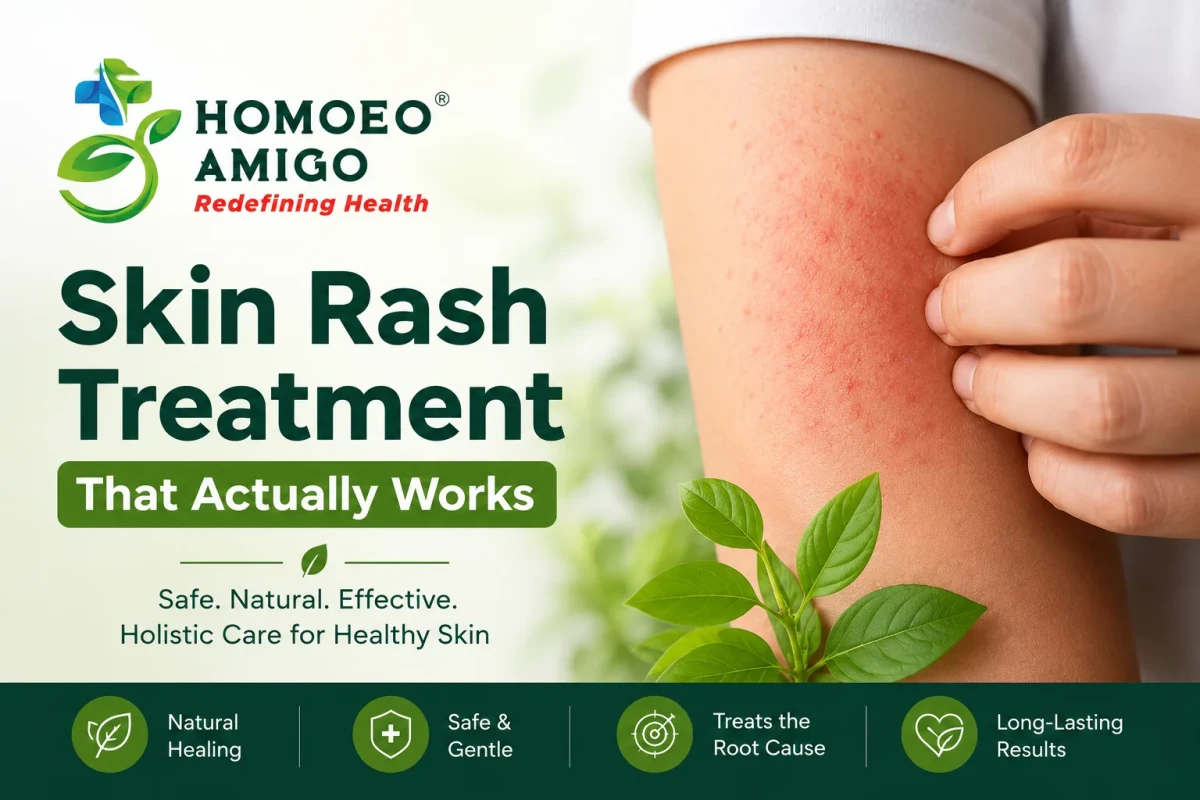
Skin Rash Treatment That Actually Works | Effective Relief & Skin Care Tips
Most people don’t take a skin rash seriously until they stop going away. It starts small, with a skin rash that itches and a patch of redness and maybe some dryness with irritation. Skin rashes are one of the most common and yet misunderstood skin issues. Most people start dealing with the issue by trying random skin rash cream or quick Google fixes or simply by ignoring it, hoping that it will disappear. But that is exactly where things go wrong, because the reality is not every rash is the same and not every medicine for skin rash works.
Effective skin rash treatment is not about applying everything that is trending. It is more about understanding what caused the rash, how your skin is reacting to it, and what your body is trying to signal. It is important to understand whether it is triggered by allergies, heat and sweat, infections, or any underlying skin conditions. Each of the causes demands a different approach to treatment. In this article, we will explore the common causes, symptoms, and treatment options for skin rashes. Because if you keep treating the symptoms without understanding the actual cause, you are just managing and delaying the damage.
What is a Skin Rash?
A skin rash refers to changes in skin color such as redness and discoloration. The texture is usually bumpy, dry, and swollen, and it causes sensations like itching, burning, and pain. It can appear anywhere on the body, like the face, hands, legs, back, or scalp. Rashes can be temporary or chronic, mild or severe, and infectious or non-infectious.
Common Skin Rash Causes:
Allergic Reactions: It can be triggered by cosmetics, soaps and detergents, jewellery, or food. The symptoms include red patches, itching, and swelling.
Heat and Sweat: Heat rash is common in hot and humid climates and is caused by blocked sweat glands, which leads to tiny red bumps and a prickly sensation.
Infections: It can be bacterial, viral, or fungal, like ringworm, chickenpox, and impetigo. It requires targeted treatment.
Skin conditions: Chronic issues like eczema, psoriasis, and dermatitis.
Environmental factors: Pollution, extreme weather, and sun exposure.
Stress and hormonal changes: It can trigger flare-ups and weaken the skin barrier.
Symptoms to Watch For:
Inflammation and red rashes on skin
Itching or irritation
Blisters and pus-filled bumps
Swelling
Burning sensation
Types of Skin Rashes:
Contact dermatitis: It is caused by contact with irritants, and the symptoms include red, itchy patches.
Eczema or Atopic Dermatitis: It is a chronic condition, the symptoms include dry, cracked skin and severe itching.
Psoriasis: It is an autoimmune condition, and the symptoms include thick and scaly patches with silvery flakes.
Fungal infections: They thrive in moist areas, and the symptoms include ring-shaped rashes, itching, and redness.
Heat Rashes: They are common in summer, and the symptoms include small red bumps and a prickly feeling.
Comparison Table:
CONDITION | CAUSE | BEST APPROACH |
Heat rash | Sweat blockage | Cooling and hydration |
Allergic rash | Allergens | Antihistamines and avoidance of triggers |
Fungal infections | Moisture | Antifungal treatment |
Eczema | Chronic condition | Moisturization and medication |
Contact dermatitis | Irritants | Avoid triggers and apply soothing creams |
Why do Rashes Keep Reappearing?
In many cases, treatment focuses on reducing redness, itching, or inflammation without identifying what is triggering the rash in the first place. As a result, the skin may temporarily improve, only for the rash to flare up again when exposed to the same trigger.
Recurring rashes are commonly linked to underlying causes as mentioned above, and for some people, emotional stress, hormonal fluctuations, lack of sleep, and weak immune response may contribute to frequent flare-ups.
Another reason is incomplete treatment. For example, most of the time fungal infections may seem to improve before the infection has been fully cleared, this causes the symptoms to return after treatment is stopped. Similarly, continued exposure to allergens or irritants can keep triggering the skin reaction.
Understanding why the rash is reappearing is just as important as treating the rash itself. Identifying triggers and following an appropriate treatment plan and managing good skin care habits can help reduce the chances of recurrent flare-ups and support long-term skin health.
Natural Skin Rash Treatment at Home
Mild rashes can be treated with natural remedies like:
Aloe vera: Helps to soothe the irritation, reduce redness, and hydrate skin.
Coconut oil: It is antibacterial and moisturizing and is ideal for dry rashes.
Oatmeal bath: It helps to get relief from itching and calms inflamed skin.
Cold compress: It helps to reduce swelling and provide instant relief.
Neem: It is also known as Indian Lilac. It is antifungal and antibacterial and is useful in traditional skin rash treatment.
If the rash spreads rapidly, becomes painful, and shows signs of infection like pus or fever, then natural remedies are not enough, and you need professional help immediately.
Preventing Skin Rashes in Daily Life
Daily habits: Keep your skin clean and dry, moisturize regularly, and avoid harsh chemicals.
Clothing choices: Wear cotton fabrics and avoid tight clothing.
Skincare routine: Use gentle products and do a patch test with new products.
Environmental protection: Use sunscreen and protect skin from pollution.
Homeopathic Treatment for Skin Rash
Homeopathy focuses on treating the root cause and not just the symptoms. It offers personalized remedies based on the skin type, symptoms, and overall health of the individual. Homeopathy offers a holistic skin rash treatment approach with zero to minimal side effects. Some common homeopathic remedies for skin rash are:
Sulphur: For itchy and burning rashes.
Graphites: For dry and cracked skin.
Rhus Toxicodendron: For rashes with intense itching and redness.
Apis Mellifica: For swelling and allergic reactions.
Skin rashes do not appear randomly, they are signals. Whether it is persistent itching, sudden redness, or recurring flare-up, your body is trying to tell you something is off. The biggest mistake people make with skin rash treatment is treating it superficially and ignoring the root cause by relying on temporary fixes, this is the reason why the rashes keep coming back. Real and long-term relief comes from identifying the triggers, choosing the right treatment approach, and supporting the skin from within.
If you are tired of trying random creams that don’t work, dealing with recurring skin rashes, and not knowing what is actually causing your skin issues, it is time to stop guessing and start treating your skin right away. Choose a smarter approach to skin rash treatment, one that focuses on root cause healing, long-term results, and safe and personalized care.
At Homoeo Amigo, we focus on not just suppressing the symptoms but also correcting the root cause behind the skin issues. Connect with Homoeo Amigo today and start your journey toward clear and healthy skin.
Comments (0)
Loading comments...