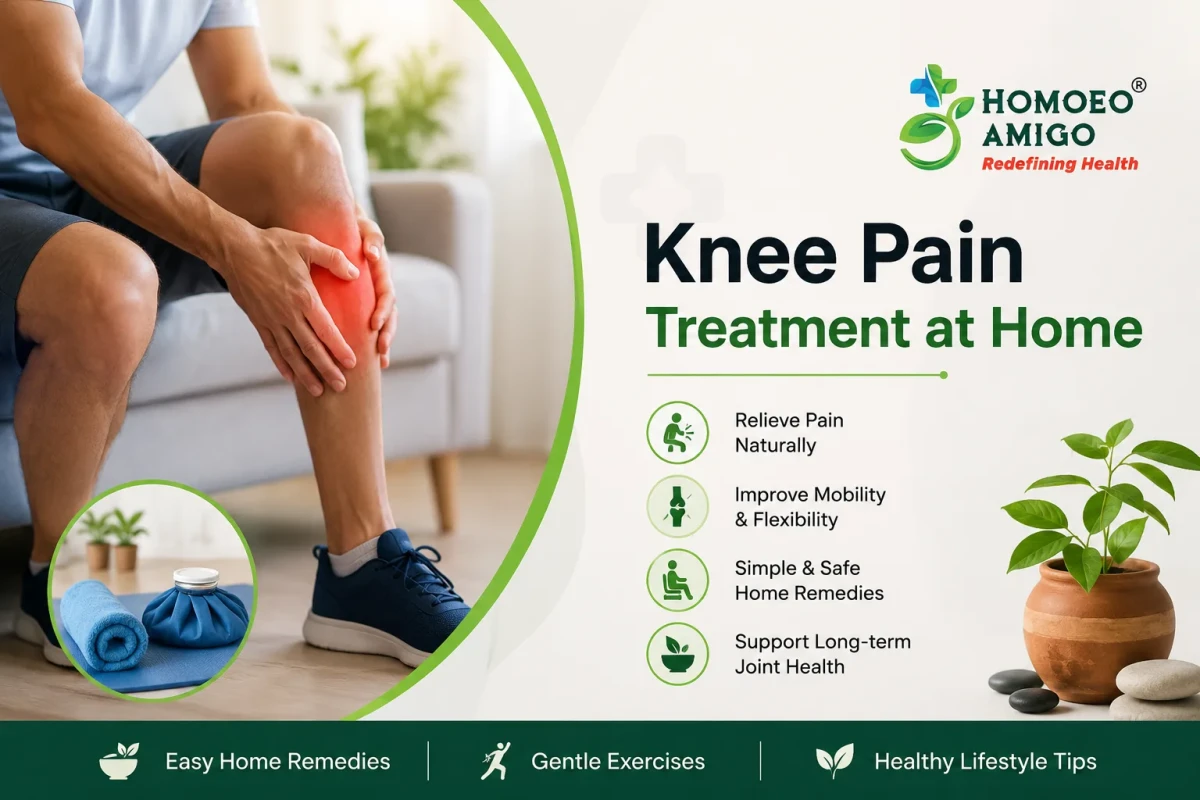
Knee Pain Treatment at Home: Effective Ways to Relieve Knee Pain Naturally
Knee pain is one of the most common joint problems affecting people of all ages. Whether it is caused by aging, arthritis, an old injury, excess weight, or overuse. Persistent knee pain can make even simple daily activities challenging. Walking, climbing stairs, getting up from a chair, or standing for long periods may become uncomfortable. While severe or long-lasting knee pain always requires proper medical evaluation, many people look for knee pain treatment at home to manage mild to moderate symptoms and improve their quality of life.
The good news is that small lifestyle changes, gentle exercises, proper nutrition, and self-care measures can often help reduce discomfort and improve mobility. In this guide, we will explore practical and evidence-informed knee pain treatment at home options, discuss common causes of knee pain, and explain when it is time to seek professional medical advice.
What is Knee Pain?
The knee is one of the largest and busiest joints in the body. It supports your body weight and allows movements such as walking, running, sitting, and standing. Because it is used constantly, the knee is prone to injuries and age-related wear and tear. Knee pain may develop suddenly after an injury or gradually over time due to chronic conditions. Many people begin searching for knee pain treatment at home when discomfort starts interfering with their everyday routine.
Common Causes of Knee Pain
Understanding the cause of knee pain is the first step toward choosing the right treatment. Some of the most common causes include:
Osteoarthritis: It is the most frequent cause of chronic knee pain. It occurs when cartilage gradually wears down, bones rub against each other, and movement becomes painful.
Rheumatoid Arthritis: It is an autoimmune condition where the body’s immune system attacks healthy joints. The symptoms include swelling, stiffness, warm joints, and pain in both knees.
Knee Injuries: Pain may occur after falls, sports injuries, ligament tears, meniscus injuries, and fractures.
Overuse: Repeated movements can strain the knee. Common examples include running, squatting, climbing stairs repeatedly, and heavy lifting.
Excess Body Weight: Extra weight increases pressure on the knee joints. This may speed up cartilage wear, increase inflammation, and worsen knee pain.
Tendon and Ligament Problems: Inflammation or strain in the soft tissues surrounding the knee can also cause pain.
Symptoms of Knee Pain
Knee pain can show up in different ways depending on its cause and severity. While some people experience a dull, aching discomfort, others may notice sharp pain, stiffness, swelling, or difficulty moving the knee. Recognizing these symptoms early can help identify the underlying problem and ensure you get the right treatment before the condition worsens. Symptoms depend on the underlying condition. Some common signs include:
Pain while walking
Swelling
Joint stiffness
Difficulty climbing stairs
Clicking sounds
Knee instability
Tenderness
Difficulty bending or straightening the knee
Persistent symptoms may indicate the need for professional evaluation rather than relying only on treatment at home.
Knee Pain Treatment at Home: Effective Self-Care Tips
Before that, let’s make it clear when you can try knee pain treatment at home. Sometimes treating knee pain at home may be appropriate only if
The pain is mild
There is no major injury
Swelling is minimal
You can still walk
Symptoms improve with rest
However, if pain is severe, follows a significant injury, or prevents you from bearing weight, seek medical attention promptly.
Many people wonder how to treat knee pain at home safely. While home remedies cannot cure underlying joint diseases, they may help to get relief from symptoms and improve comfort. Here are some practical strategies.
Give your knee adequate rest: Rest helps reduce stress on the joint.
Tips include:
Avoid activities that worsen pain.
Take a short break while walking.
Avoid prolonged standing.
Don’t ignore persistent pain.
Remember, complete bed rest is usually not recommended unless advised by a doctor. Gentle movement often helps maintain flexibility.
Apply cold therapy: Cold packs help during the first 24-48 hours after minor injuries or flare-ups.
Benefits include:
Reduced swelling
Temporary pain relief
Decreased inflammation
Apply an ice pack wrapped in a towel for about 15-20 minutes at a time. Avoid placing ice directly on the skin.
Use warm compresses for stiffness: If stiffness is your main concern, gentle heat may provide comfort.
Warm compresses can help:
Relax muscles
Improve blood flow
Ease joint stiffness
This is a commonly recommended approach in knee pain treatment at home for chronic discomfort, though it may not be suitable for an acutely swollen joint.
Elevate your leg: Keep your leg raised above heart level when resting, this may help reduce swelling after minor injuries. Use a pillow to support the leg while lying down.
Compression support: A knee brace or compression bandage may provide support, reduce mild swelling, and improve confidence while you walk. Always ensure the brace is not too tight, as it should not restrict circulation.
Stay active with gentle movement: One of the biggest myths is that all knee pain requires complete rest. In reality, gentle movement often helps maintain joint flexibility.
Good options include:
Walking on level ground
Gentle stretching
Water exercises
Cycling on a stationary bike
If any activity significantly increases pain, stop and consult a healthcare professional.
How to Reduce Knee Joint Pain Naturally?
If you are wondering how to reduce knee joint pain, combining several healthy habits often works better than relying on just one method. Helpful strategies include:
Maintaining a healthy weight.
Staying physically active.
Wearing supportive footwear.
Avoiding prolonged sitting.
Taking movement breaks during the day.
Following a balanced diet.
Strengthening muscles around the knee.
These measures form an important part of Knee Pain Treatment at Home and may improve joint function over time.
Knee pain can affect your mobility, independence, and overall quality of life, but it does not always require complex interventions in its early stages. Simple measures such as staying active, maintaining a healthy weight, and following a balanced diet can often help manage mild discomfort and support better joint health. If you have been wondering how to reduce knee joint pain or how to treat knee pain at home, adopting healthy lifestyle habits and seeking timely medical advice can make a significant difference.
However, it is important to remember that persistent, severe, or worsening knee pain should never be ignored. Home remedies may provide temporary relief, but identifying and treating the underlying cause is essential for long-term joint health. A healthcare professional can help determine the most appropriate knee pain treatment based on your condition, symptoms, and overall health.
Homoeo Amigo Approach
Take the first step towards healthier, pain-free knees. Don’t let knee pain limit your daily activities or keep you from enjoying the life you love. If home remedies are no longer providing enough relief or your symptoms keep returning, it’s time to seek expert guidance.
At Homoeo Amigo, our experienced homeopathic doctors take a personalised approach to understanding your symptoms, medical history, and lifestyle before recommending an individualised treatment plan. We focus on holistic care that complements healthy habits and supports your journey toward better joint health.
Book your consultation with Homoeo Amigo today and discover a personalised approach to managing knee pain with compassionate, patient-centered care.
Comments (0)
Loading comments...