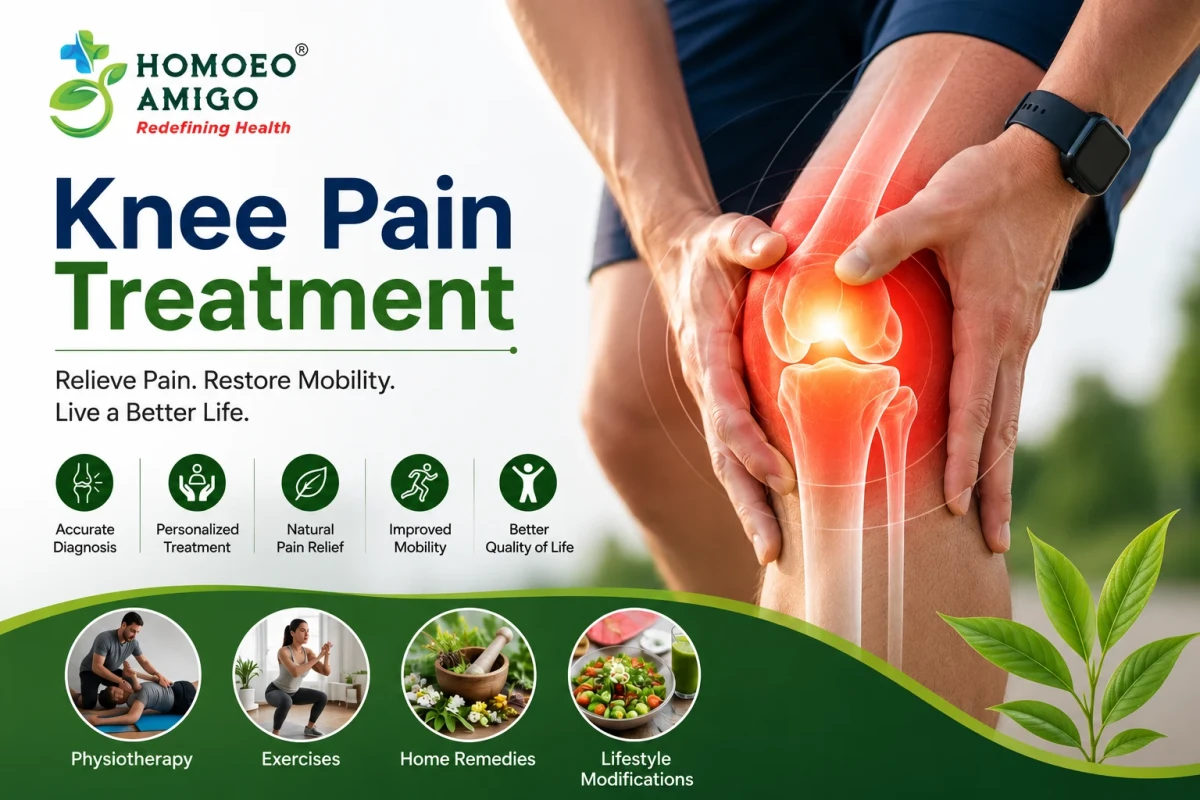
Knee Pain Treatment: A Complete Guide to Understanding and Managing Pain
Knee pain is one of the most common joint problems affecting people of all ages. Whether it is a young athlete recovering from an injury, a working professional dealing with long hours of standing, or an older adult experiencing arthritis, knee pain can significantly affect daily life. Simple activities like walking, climbing stairs, sitting cross-legged, exercising, or even getting out of bed can become uncomfortable when knee pain strikes.
Fortunately, there are many effective knee pain treatment options available today. The right treatment depends on identifying the underlying causes, the severity of the condition, and your overall health. This comprehensive guide explores everything you need to know about knee pain treatment, including causes, symptoms, diagnosis, available treatment options, lifestyle changes, and preventive measures to help you maintain healthy joints.
What is Knee Pain?
The knee is one of the most important and largest joints in the human body. It connects the thigh bone (femur) to the shin bone (tibia) and plays a crucial role in movement and stability. The knee joint consists of:
Bones
Cartilage
Ligaments
Tendons
Muscles
Synovial fluid
When any of these structures become injured, inflamed, or damaged, it can result in knee pain. Pain may develop suddenly after an injury, gradually over months or years, during movement, while resting, or only during specific activities. Understanding the cause is the first step toward choosing the right knee pain treatment.
How Common is Knee Pain?
Knee pain is one of the leading causes of mobility problems worldwide. It commonly affects:
Older adults
Athletes
People who are overweight
Individuals with arthritis
People whose jobs require prolonged standing
Those recovering from sports injuries
There are many possible causes of knee pain, and the treatment hence varies from person to person.
Types of Knee Pain:
Not all knee pain feels the same. You might experience a dull ache after a long day, a sharp pain while walking, or stiffness that makes it difficult to move. The type of pain you feel often provides clues about what's causing it. Understanding the different types of knee pain can help you recognize the problem early and choose the right treatment.
Acute Knee Pain: It usually develops suddenly. Some common causes include falls, sports injuries, twisting injuries, fractures, and ligament tears.
Chronic Knee Pain: It persists for several weeks or months. Common causes include osteoarthritis, rheumatoid arthritis, chronic tendon problems, and long-term overuse.
Mechanical Knee Pain: This occurs due to problems within the joint. Examples include meniscus tears, loose cartilage, and ligament injuries.
Inflammatory Knee Pain: It is usually caused by inflammatory conditions like rheumatoid arthritis, gout, and joint infections. An accurate diagnosis helps determine the most appropriate treatment for knee pain.
Common Causes of Knee Pain
There is no single cause of knee pain, as multiple conditions contribute to it, such as:
Osteoarthritis: It is one of the most common causes, especially in older adults. It occurs when the cartilage gradually wears away, bones rub against each other, and joint movement becomes painful. Some of the symptoms include morning stiffness, pain during walking, reduced flexibility, and swelling.
Rheumatoid Arthritis: an autoimmune condition that affects multiple joints. Common symptoms include swollen knees, warm joints, morning stiffness, and fatigue.
Knee Injuries: Sports injuries and accidents can damage the ACL, PCL, meniscus, tendons, and ligaments. These injuries often require prompt medical evaluation.
Tendinitis: Inflammation of the tendons caused by repetitive movement. It is common among runners, cyclists, and jumping athletes.
Bursitis: Small fluid-filled sacs called bursae reduce friction around the knee. When inflamed, they may cause swelling, pain, and tenderness.
Gout: It is a form of inflammatory arthritis caused by uric acid crystal deposits. Symptoms include sudden severe pain, swelling, redness, and warmth.
Obesity: Extra body weight places greater stress on the knee joints, which increases the risk of osteoarthritis, chronic knee pain, and reduced mobility. Maintaining a healthy weight is an important part of knee pain treatment.
Causes of Knee Pain at a Glance
Causes | Common Symptoms | Who is Most at Risk? |
Osteoarthritis | Stiffness, pain while walking | Older adults |
Rheumatoid arthritis | Swelling, morning stiffness | Adults with autoimmune conditions |
Ligament injury | Sudden pain, instability | Athletes |
Meniscus tear | Locking, clicking | Active adults |
Tendinitis | Pain during movement | Runner, cyclists |
Bursitis | Swelling, tenderness | People with repetitive kneeling |
Gout | Sudden severe pain | Adults with high uric acid |
Chronic knee pain | Overweight individuals |
Symptoms of Knee Pain Treatment
The right treatment for knee pain depends on what's causing it. While some cases improve with simple home remedies and lifestyle changes, others may require medications, physical therapy, or medical procedures. Understanding the available treatment options can help you manage pain effectively, improve mobility, and get back to your daily activities with greater comfort. Symptoms vary depending on the underlying condition. Common symptoms include:
Persistent pain
Swelling
Stiffness
Clicking sounds
Difficulty walking
Knee locking
Knee instability
Warmth around the joint
Redness
Tenderness
Reduced flexibility
Pain while climbing stairs
Difficulty kneeling
Pain after prolonged sitting
If symptoms persist, seeking professional advice is essential.
How Knee Pain Affects Daily Life?
Many people underestimate the impact of chronic knee pain. It can affect walking, sleeping, exercise, work performance, household chores, mental wellbeing, and independence in older adults. Effective knee pain treatment aims to reduce pain while improving movement and quality of life.
Certain factors increase your chance of developing knee pain, which include obesity, age above 50 years, previous knee injuries, weak muscles, arthritis, poor posture, sedentary lifestyle, and diabetes. Understanding the risk factors helps in preventing future problems.
Consulting a healthcare professional is important if you experience:
Severe pain
Persistent swelling
Inability to bear weight
Knee deformity
Fever with knee pain
Sudden locking of the joint
Recurrent injuries
Pain lasting more than 2 weeks
While mild knee pain often improves with rest and self-care, ongoing or severe symptoms should never be ignored. Seeking medical attention at the right time can help identify the underlying cause, prevent further damage, and ensure you receive the most effective treatment for a faster and safer recovery.
Why Early Knee Pain Treatment Matters?
Ignoring knee pain can allow the underlying condition to progress. Timely knee pain treatment may help improve mobility, reduce discomfort, support daily activities, prevent worsening of joint damage in certain conditions, and improve the overall quality of life. Whether the pain is caused by arthritis, an injury, or overuse, consulting a healthcare professional can help you choose the most appropriate treatment plan.
How is Knee Pain Diagnosed?
Before recommending a suitable knee pain treatment, a doctor will first identify the underlying cause of your symptoms. Since knee pain can result from various conditions, an accurate diagnosis is essential for effective management. A healthcare professional may use the following methods:
Medical history: Your doctor may ask questions such as: When did the pain begin? Is the pain constant or does it come and go? Which activities make the pain worse?
Physical examination: During the examination, your doctor may assess swelling around the knee, tenderness, range of motion, joint stability, walking pattern, and muscle strength.
Imaging tests: Depending on your symptoms, your doctor may recommend X-rays to detect arthritis, fractures, or bone abnormalities, an MRI to evaluate ligaments, cartilage, tendons, and soft tissues, a CT scan in some selected cases where more detailed imaging is needed, and ultrasound to assess soft tissue injuries or fluid around the joint.
Laboratory tests: If an inflammatory condition is suspected, tests may include blood tests, uric acid levels, inflammatory markers, and joint fluid analysis when required. A proper diagnosis forms the foundation of an effective knee pain treatment plan.
Knee Pain Treatment: Common Medical Options
The best knee pain treatment depends on the underlying causes, severity of the symptoms, age, activity level, and overall health. Some commonly recommended treatment options include:
Medications: Doctors may prescribe or recommend medications to help manage the symptoms. The medications may include pain relievers, anti-inflammatory medicines, or topical pain relief gels. Always use medications as directed by the healthcare provider.
Physiotherapy: Physiotherapy is often an important part of knee pain treatment because it focuses on improving movement and strengthening the muscles around the knee. Benefits may include improved flexibility, better balance, increased muscle strength, reduced stiffness, and improved mobility.
Assistive devices: In some cases, doctors may recommend knee braces, walking sticks, orthotic shoe inserts, and compression sleeves. These devices may help to reduce stress on the knee and improve stability.
Injections: For certain conditions, healthcare professionals may recommend injections to help manage pain or inflammation. The suitability of these treatments depends on the individual’s diagnosis and should be discussed with a qualified doctor.
Surgery: Surgery is generally considered when conservative treatments are no longer effective. Procedures may include arthroscopy, ligament reconstruction, partial knee replacement, or total knee replacement. Not everyone with knee pain requires surgery. Many people improve with non-surgical treatment.
Knee Pain Treatment at Home
For mild or occasional discomfort, knee pain treatment at home may help improve comfort and support recovery. However, persistent or severe pain should always be evaluated by a healthcare professional.
Give your knees time to rest, as a short period of rest can help after overuse or a minor injury. Try to avoid activities that worsen the pain, take regular breaks during prolonged standing, and gradually return to activity as symptoms improve. Complete bed rest is generally not recommended unless advised by your doctor.
Apply ice or heat as both cold and heat therapy have their place in knee pain treatment. Cold therapy helps reduce swelling, ease pain after minor injuries, and calm inflammation during flare-ups. Heat therapy helps relax tight muscles, improve blood circulation, and reduce joint stiffness. Ask your healthcare provider which option is suitable for your condition.
Elevate the knee if swelling is present, as elevating your legs above heart level while resting may help reduce fluid buildup.
Compression sleeves or bandages may provide gentle support and help manage mild swelling. Ensure that they fit properly and do not restrict circulation.
Exercises That May Help Strengthen the Knee
Exercise is an important part of many knee pain treatment plans because strong muscles provide better support to the knee joint. Always consult a healthcare professional or physiotherapist before starting a new exercise program.
Straight leg raises: It strengthens thigh muscles and reduce stress on the knees.
Heel slides: Improve flexibility and maintain range of motion.
Quadriceps sets: Strengthens the front thigh muscles and supports knee stability.
Hamstring stretches: Improve flexibility and reduce muscle tightness.
Walking: Gentle walking on even ground may help maintain joint mobility. If pain increases significantly, stop and seek medical advice.
How Homeopathy May Complement Knee Pain Treatment
Many people choose homeopathy as a complementary approach to managing knee pain. Homeopathy emphasizes individualized care, meaning practitioners consider the person’s symptoms, medical history, lifestyle, and overall health when selecting a remedy. During a homeopathic consultation, the practitioner may discuss the nature and location of the pain, factors that make symptoms better or worse, sleep patterns, daily routine, emotional well-being, and previous illnesses.
People often appreciate homeopathy for its personalised consultations and holistic approach. However, it is important to note that scientific evidence supporting homeopathy for chronic knee pain remains limited, and it should not replace evidence-based medical care when urgent treatment or surgery is required.
Common Mistakes to Avoid
When managing knee pain, avoid these common mistakes:
Ignoring persistent pain.
Continuing high-impact activities despite discomfort.
Delaying medical evaluation after an injury.
Self-medicating for long periods without professional advice.
Skipping strengthening exercises recommended by your physiotherapist.
Assuming every type of knee pain requires the same treatment.
Choosing the right knee pain treatment starts with identifying the cause rather than simply masking the symptoms.
Lifestyle Changes That Support Knee Health
Taking care of your knees doesn’t always require major changes; small, consistent habits can have a big impact on your joint health over time. If you’re dealing with knee pain or want to prevent it from getting worse, making a few lifestyle adjustments can help reduce stress on your knees and improve mobility. Maintaining a healthy weight is one of the most effective ways to protect your joints, as excess body weight increases the pressure on your knees with every step you take. Staying physically active is equally important, but choose low-impact exercises such as walking, swimming, cycling, or water aerobics, which help strengthen the muscles around the knee without putting excessive strain on the joints.
Wearing supportive footwear with good cushioning can improve body alignment and reduce unnecessary stress during daily activities. Paying attention to your posture while sitting, standing, and walking also helps distribute your body weight more evenly, reducing pressure on your knees. If you spend long hours at a desk, avoid sitting continuously for extended periods. Stand up, stretch, or take a short walk every 30 to 60 minutes to keep your joints flexible and improve circulation. These simple lifestyle changes, when practiced consistently, can complement your knee pain treatment plan and support healthier, stronger knees in the long run.
Common Myths About Knee Pain
Myths | Facts |
Knee pain only affects older adults. | Knee pain can occur at any age due to injuries, sports, obesity, arthritis, or overuse. |
Complete bed rest is the best solution. | Gentle movement is often recommended unless your doctor advises otherwise. |
Every knee pain requires surgery. | Many cases improve with conservative knee pain treatment, physiotherapy, and lifestyle changes. |
Exercise worsens knee pain. | Appropriate low-impact exercise often strengthens the joint and improves mobility. |
Painkillers alone can solve the problem. | Medications may help relieve symptoms but do not address every underlying cause. |
Why Choose Homoeo Amigo for Knee Pain Care?
At Homoeo Amigo, we understand that every individual’s experience with knee pain is different. That’s why our approach focuses on personalized care rather than a one-size-fits-all solution.
Our experienced homeopathic doctors take the time to understand:
Your symptoms
Medical history
Lifestyle
Daily routine
Overall health goals
Based on this comprehensive evaluation, we create an individualized treatment plan tailored to your needs. Along with homeopathic care, we also guide patients on lifestyle modifications, diet, and healthy habits that support long-term joint health.
Our focus is on helping you move more comfortably, improve your quality of life, and make informed healthcare decisions.
Knee pain can affect people of all ages and significantly impact everyday activities, from walking and climbing stairs to exercising and enjoying an active lifestyle. The good news is that effective knee pain treatment starts with understanding the underlying cause. Whether your symptoms are related to arthritis, an injury, overuse, or age-related changes, early diagnosis and timely care can make a meaningful difference.
Managing knee pain often involves a combination of medical care, physiotherapy, regular exercise, healthy eating, weight management, and lifestyle modifications. For those interested in complementary approaches, homeopathy may be considered as part of an individualized care plan under the guidance of a qualified practitioner. The key is to choose a knee pain treatment strategy that is safe, evidence-informed, and tailored to your specific needs.
Ignoring persistent pain can lead to reduced mobility and a lower quality of life. Seeking professional guidance early can help you stay active, maintain independence, and protect your joint health for years to come.
Book your consultation with Homoeo Amigo today and take the first step toward moving with greater comfort and confidence.
Comments (0)
Loading comments...